NeStOme Lab Members
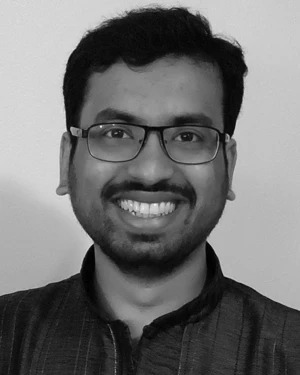
Khalique Newaz, Ph.D.
Junior Group Leader
khalique.newaz(at)uni-hamburg.de
 0000-0002-1192-8360
  khalique-newaz-49694a25b
  Khalique's Citations
 Khalique Newaz did his PhD studies in Computer Science and Engineering in the Complex Networks Lab headed by Prof. Tijana Milenkovic at the University of Notre Dame, USA. Afterwards, he worked in the Institute for Computational Systems Biology headed by Prof. Jan Baumbach at the University of Hamburg, Germany. From January 2025, Khalique leads the NeStOme lab at the University of Hamburg, Germany.

Franco Salvatore
PhD Student
franco.salvatore(at)uni-hamburg.de
0009-0006-4380-7447
franco-salvatore-63bb45328  SalvaFran
 Franco Salvatore obtained his MSc in Biology at the University of Buenos Aires, Argentina, in the Structural Bioinformatics Lab led by Prof. Dr. Marcelo A. Martí. During his MSc he worked on multiple projects in structural bioinformatics and AI, with applications in drug discovery and clinical research. He also gained industry experience at LUCAI Bio, a bioinformatics start-up specialized in diverse areas of bioinformatics with a strong focus on AI-driven solutions and development.
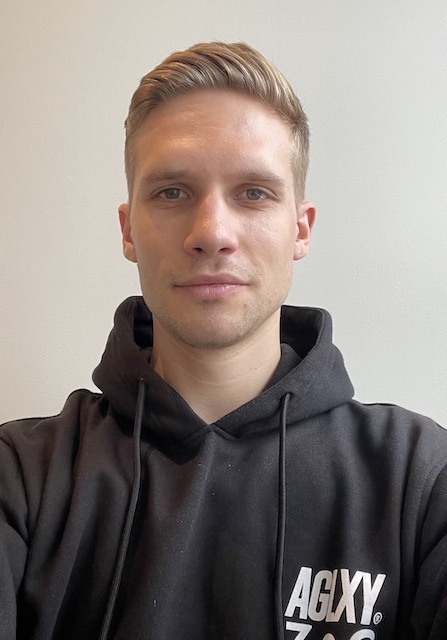
Jan-Ole Schulze
PhD Student
jan-ole.schulze (at) uni-hamburg.de
Jan-Ole Schulze did his master’s in Informatics at the University of Hamburg while working as software engineer for the Generali Deutschland insurance group. He started his PhD at the Institute for Computational Systems Biology headed by Prof. Jan Baumbach at the University of Hamburg, where works as a Data Scientist in Biomedicine with a focus on unsupervised patient stratification.
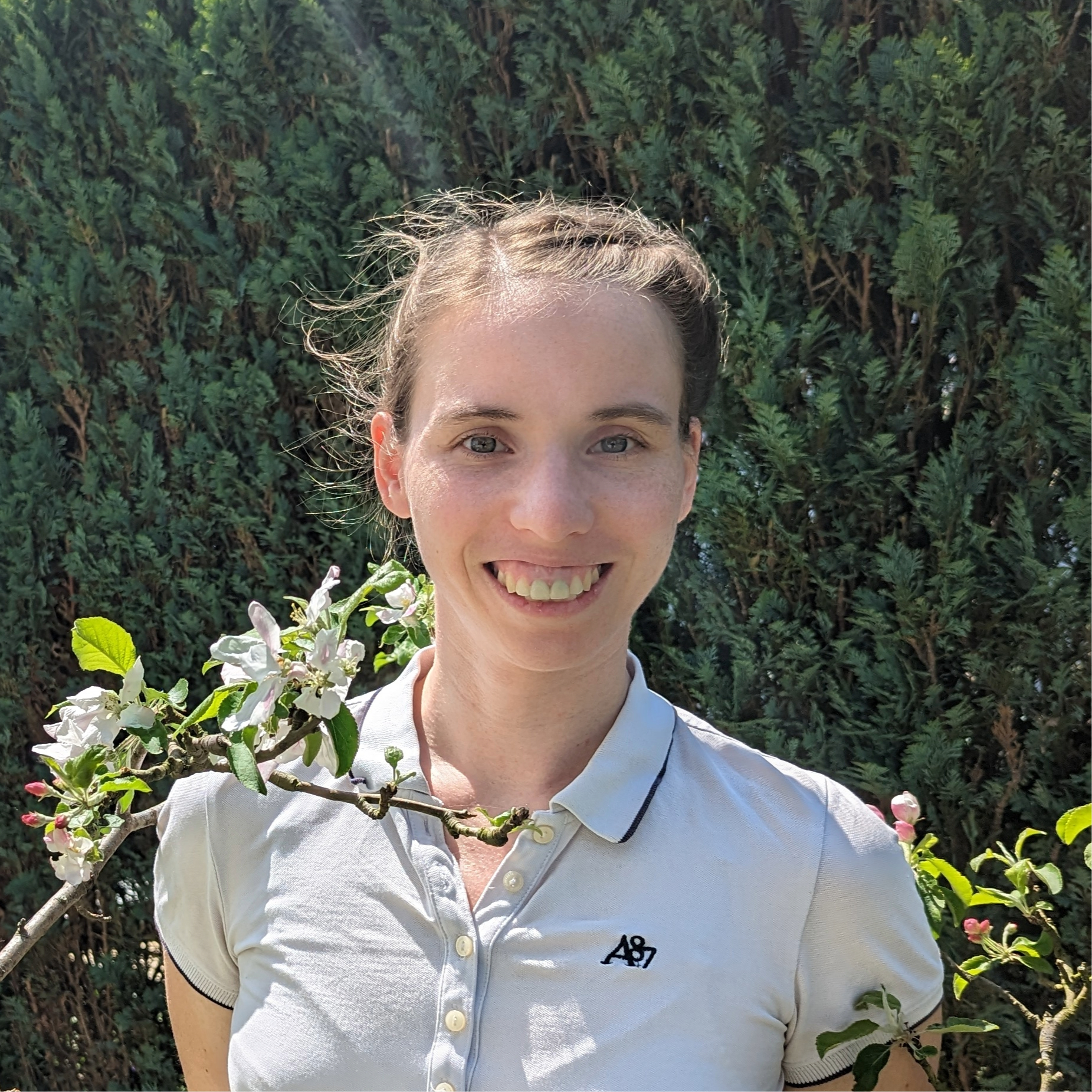
Jeanine Liebold, M.Sc
PhD Student
jeanine.liebold(at)uni-hamburg.de
0009-0002-0797-1806
jeanine-liebold
Jeanine's Citations Jeanine Liebold did her Master’s degree in Intelligent Adaptive Systems at the University of Hamburg, Germany. Afterwards, she joined the Center of Bioinformatics in the group of Prof. Dr. Stefan Kurtz and the Institute for Computational Systems Biology headed by Prof. Dr. Jan Baumbach, both at the University of Hamburg, to work on her PhD. From January 2025, Jeanine is also part of the NeStOme lab.
Roberta Giorgi
PhD Student
roberta.giorgi(at)uni-hamburg.de
0009-0008-0124-7984
roberta-giorgi-7b1876205
https://github.com/rolorgi Roberta obtained her Bachelor’s degree in Bioinformatics from Sapienza University of Rome. Her thesis focused on molecular docking studies. Subsequently, she completed a Master’s degree in Data Science (also at Sapienza University of Rome) focusing on data analysis, machine learning, and, in particular, deep learning algorithms. Her thesis aimed to shed light on the explainability of graph neural networks trained for molecular docking, trying to mitigate the unreliability of existing protein-ligand interaction datasets.
Alumni
Sabrina Klotz -
Master Student
2025
Mohamed Abouzid -
Master Student
2024 - 2025
Sina Pralle -
Master Student
2024 - 2025
Felix Wissel -
Bachelor student
2025
Ann-Sofie Schaefer -
Student Assistant
2024 - 2025
Julian Premm -
Master Student
2024
Janina Geiser -
Bachelor Student
2023 - 2024
Michael Variola -
Master Student
2023 - 2024
Fabian Neuhaus -
Master Student
2022 - 2023
Visitors
Marina Piccari - Visiting Student
2024 - 2025